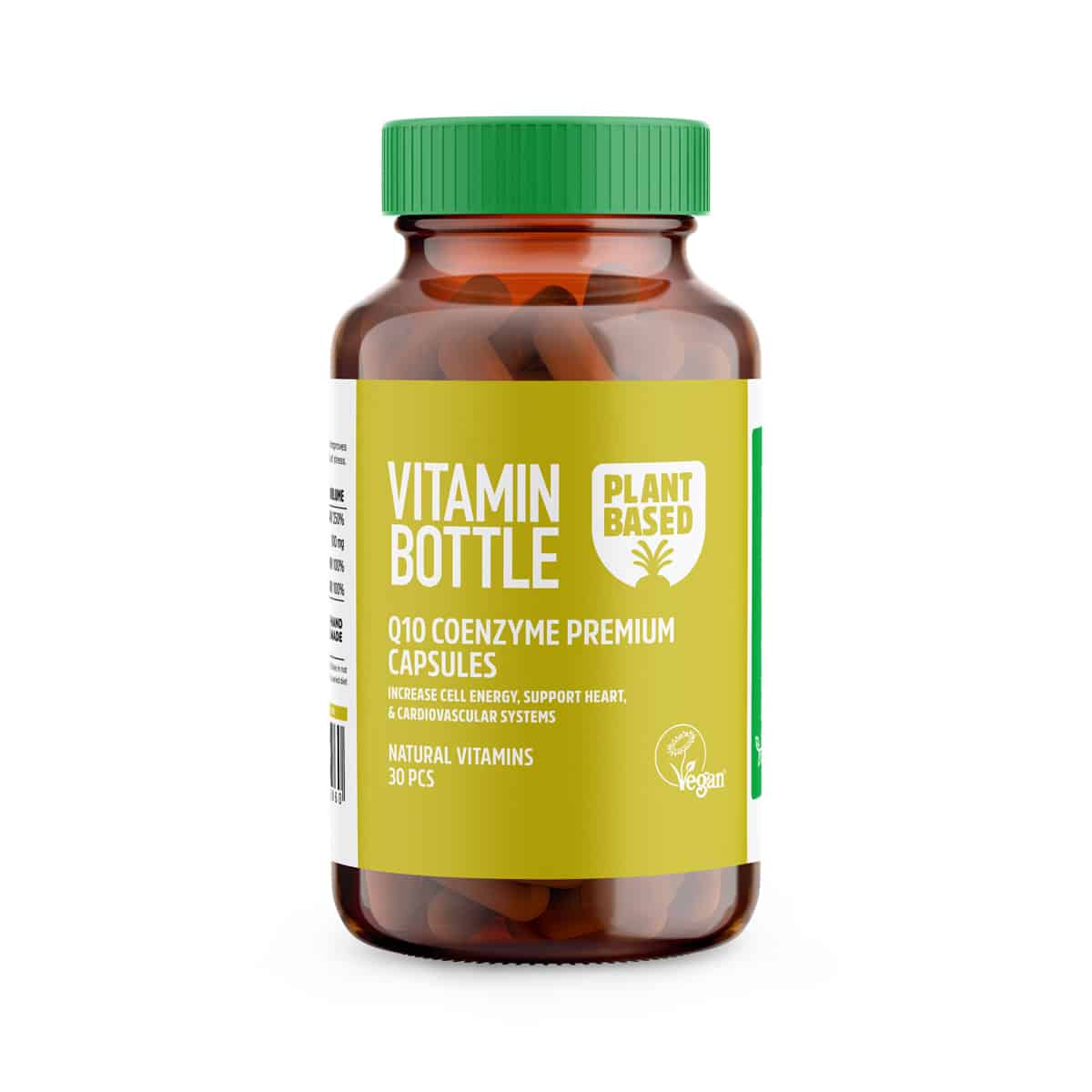
Its two chemical forms, ubiquinone and ubiquinol are constantly transforming into each other hereby the bioavailability of the two forms is almost the same in the body. It is a catalyst enzyme in the energy-producing (ATP) processes of the cells.
Q10 increases intercellular energetic mechanisms. It bring energy, stimulates physical activity and improves the capacity of intellectual effort. Prevents fatigue and sustains the organism’s effort in period of stress. Can contribute to maintaining normal blood pressure, healthy brain, heart and cholesterol level.
The driving force of the
Cell Energy
vitamin c
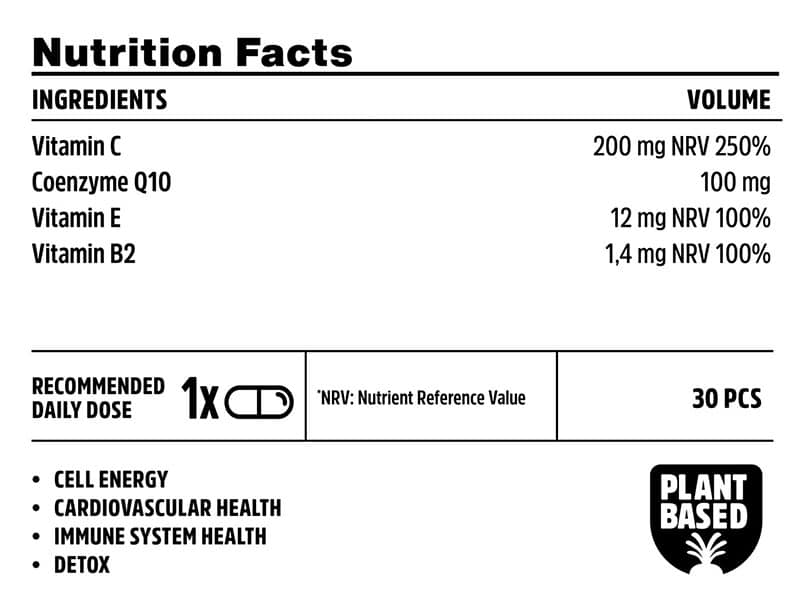
Vitamin C contributes to maintaining the normal function of the immune system, the nervous system, psychological functions and energy yielding metabolism. Strong antioxidant and contributes to the reduction of tiredness and fatigue. It support the regeneration of the reduced form of Vitamin E.
vitamin E
It is a strong antioxidant. It protects against the harmful free radicals and contributes to the protection of the cells from oxidative stress.
vitamin b2 (riboflavin)
Among others it plays a role in energy production processes. Riboflavin is involved in the metabolism of carbohydrates, proteins, and fats, converting them into energy that the body can use. It helps in the production of adenosine triphosphate (ATP), the primary energy molecule in our cells. Riboflavin acts as an antioxidant, helping to protect cells from damage caused by harmful free radicals. It works in conjunction with other antioxidants like vitamin C and vitamin E to neutralize free radicals and reduce oxidative stress.


Reviews
There are no reviews yet.