Overview
Bromelain is a protein-digesting enzyme mixture derived from the stem, fruit, and juice of the pineapple plant. It has a centuries-long history of being used to treat medical ailments, primarily throughout Central and South America.
It is currently categorized as a dietary supplement, and generally recognized as safe (GRAS) by the U.S. Food and Drug Administration (FDA).
Bromelain may be used alone or in conjunction with other medications. People use bromelain topically, to remove dead skin from burns, and orally, to reduce inflammation and swelling — particularly of the nasal passages.
Bromelain is also used as a digestive aid, for osteoarthritis, and to reduce soreness in aching muscles.
Forms and doses
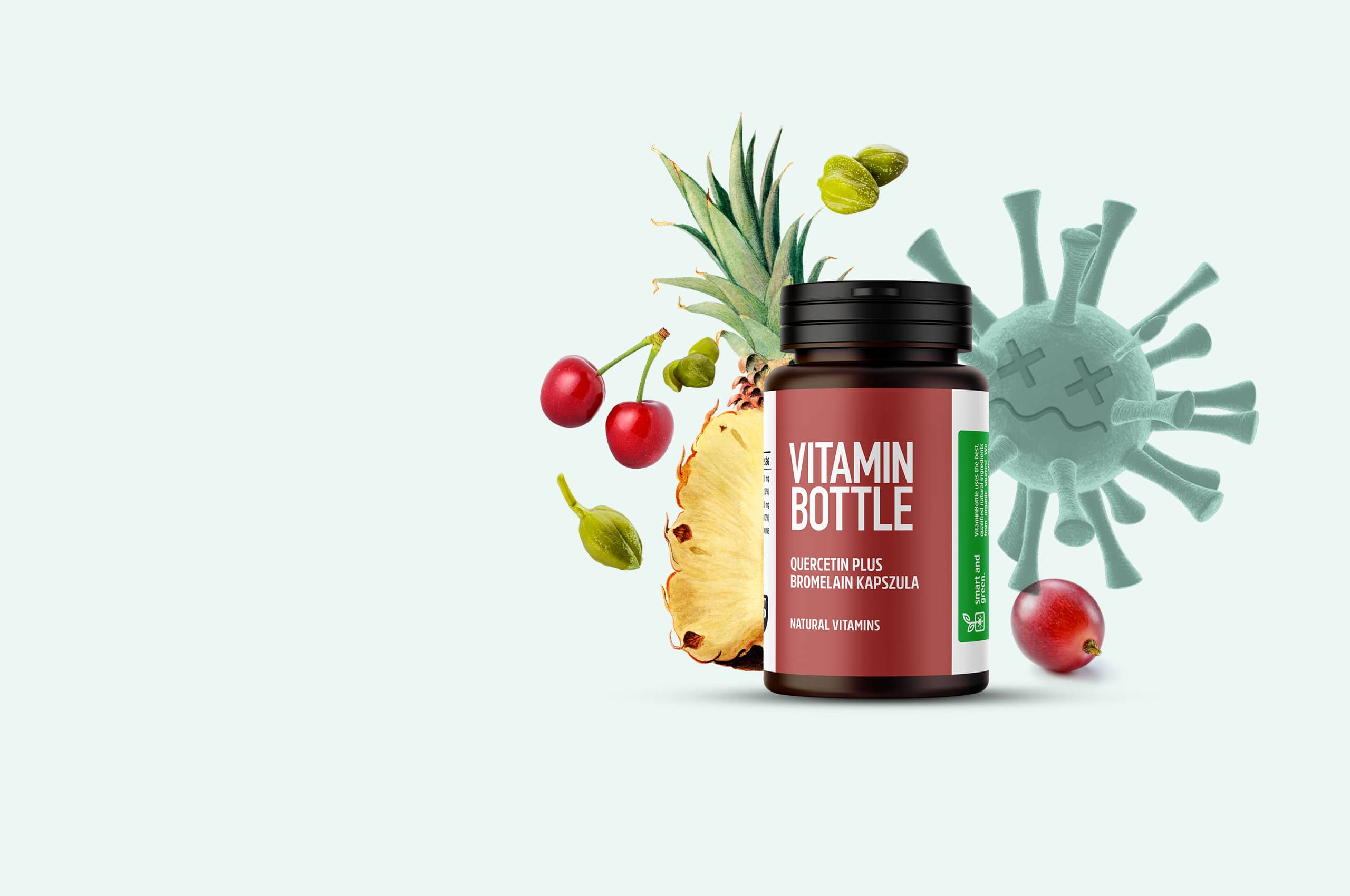
Bromelain can be purchased in capsule form from VitaminBottle for oral ingestion. It’s also available as a cream for topical use. Even though it’s extracted from pineapple, eating pineapple or drinking its juice doesn’t supply a large enough dose to be effective.
When using bromelain, it’s important to discuss its use with your doctor and follow the dosing directions provided.
Bromelain is measured in gelatin digesting units (GDUs) per gram. Doses range from 80–400 milligrams per serving, two to three times daily. Your doctor may recommend that you take bromelain with meals in order to aid digestion, or on an empty stomach to reduce inflammation.
Potential health benefits
Bromelain in VitaminBottle’s Quercetin Plus Bromelain Capsules and its potential health benefits have been studied extensively in multiple areas. These include:
Osteoarthritis
A reviewTrusted Source of clinical studies found that bromelain’s anti-inflammatory and analgesic properties make it an effective treatment for the pain, soft-tissue swelling, and joint stiffness associated with osteoarthritis.
The review focused on bromelain’s effectiveness in treating arthritis of the knee and shoulder. The studies analyzed varied significantly in terms of dosage. Improvements were found in some study participants given 400 milligrams of bromelain, two times daily.
Cardiovascular disease
An abstractTrusted Source reported that bromelain was effective at treating cardiovascular diseases, such as peripheral artery disease, stroke, heart attack, and high blood pressure.
Bromelain inhibits the ability of blood platelets to stick or clump together (aggregation). This may help reduce clot formation and cardiovascular events.
Asthma
The results of an animal studyTrusted Source indicated that bromelain’s anti-inflammatory effects might be beneficial to people with asthma or other forms of allergic airway disease.
Chronic sinusitis (chronic rhinosinusitis)
A pilot studyTrusted Source found that bromelain tablets were effective at alleviating swelling, congestion, and other symptoms associated with chronic sinusitis. Study participants were given bromelain daily for a 3-month period.
Colitis
An animal studyTrusted Source found that purified fruit bromelain reduced inflammation and healed mucosal ulcers caused by inflammatory bowel disease in rats.
Burns
A study reviewTrusted Source found that bromelain, when used as a topical cream, was highly effective at safely removing damaged tissue from wounds and from second- and third-degree burns.
Cancer
A 2010 studyTrusted Source indicated that bromelain shows promise in combating cancer. Bromelain may have the ability to positively impact cancer cell growth, and it may help to control the key pathways supporting malignancy.
Side effects and risks
As with all supplements, it’s important to discuss bromelain with your doctor prior to using it. Bromelain may cause mild side effects in some people, particularly when taken in high doses. These include:
- diarrhea
- nausea
- vomiting
- heavier-than-normal menstrual bleeding
Avoid using bromelain if you take a blood thinner, such as Warfarin, Pradaxa, and others. Bromelain may have an antiplatelet effect on the blood, increasing the potential for excessive bleeding. For this reason, it’s also important to avoid bromelain use before and after surgery.
Bromelain should not be used by people who are allergic to pineapple or to other substances that may elicit an allergic reaction in those allergic to pineapple (cross-reactivity). These substances include:
- grass pollen
- latex
- celery
- fennel
- carrots
- wheat
Interactions
Anticoagulants
Bromelain will slow blood clotting time, so if you are on a blood thinner, which also slows blood clotting time, you might experience bruising or increased bleeding. Let your doctor know if you experience increased bleeding or bruising.
Blood thinners include:
- Warfarin
- Aspirin
- Clopidogrel (Plavix)
- Diclofenac (Voltaren, Cataflam, others)
- Ibuprofen (Advil, Motrin, others)
- Naproxen (Anaprox, Naprosyn, others)
- Dalteparin (Fragmin)
- Enoxaparin (Lovenox)
- Heparin
- Warfarin (Coumadin)
Antibiotics
Bromelain can have an effect on how your body absorbs antibiotics. For example, it can increase how much amoxicillin or tetracyline is absorbed by the body. Taking bromelain at the same time as amoxicillin or tetracyline can increase effects and side effects of amoxicillin or tetracycline.
Sedatives
Bromelain may make sedative drugs stronger, including:
- antiseizure medications, such as phenytoin (Dilantin) and valproic acid (Depakote)
- barbiturates
- benzodiazepines, such as alprazolam (Xanax) and diazepam (Valium)
- drugs to treat insomnia, such as zolpidem (Ambien), zaleplon (Sonata), eszopiclone (Lunesta), and ramelteon (Rozerem)
- tricyclic antidepressants, such as amitriptyline (Elavil)
- alcohol
The same is true of herbs with a sedating effect, such as valerian, kava, and catnip.
Takeaway
Bromelain is a natural substance derived from pineapples. It has been studied extensively and may have significant, positive effects on multiple health conditions, including burns, osteoarthritis, and cancer.
Discuss your use of bromelain with your doctor, particularly if you take prescription medications.